


Omnichannel Marketing Connects All Touchpoints into One Consistent Brand Experience
What is Omnichannel Marketing?
Omnichannel marketing is an integrated approach that puts the customer at the center. Every channel, from social media to a physical store or showroom, works together as a seamless whole. The experience remains consistent, no matter where or how someone interacts with the brand.
While multichannel marketing is primarily about being present on multiple platforms, omnichannel marketing ensures a seamless experience across all channels. All data and customer insights are linked so that every interaction is personal and recognizable.
Difference Between Omnichannel and Multichannel
In multichannel marketing, each channel operates independently. The message varies per medium, which can lead to fragmentation across channels. Omnichannel marketing does the opposite: all channels are aligned and reinforce each other.
A good example: a customer discovers a product via Instagram, reads an email with additional information, and then visits a roadshow to experience the product in person. The transition feels natural. The tone, message, and branding are consistent everywhere.
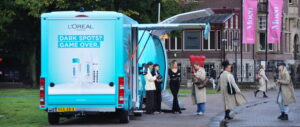
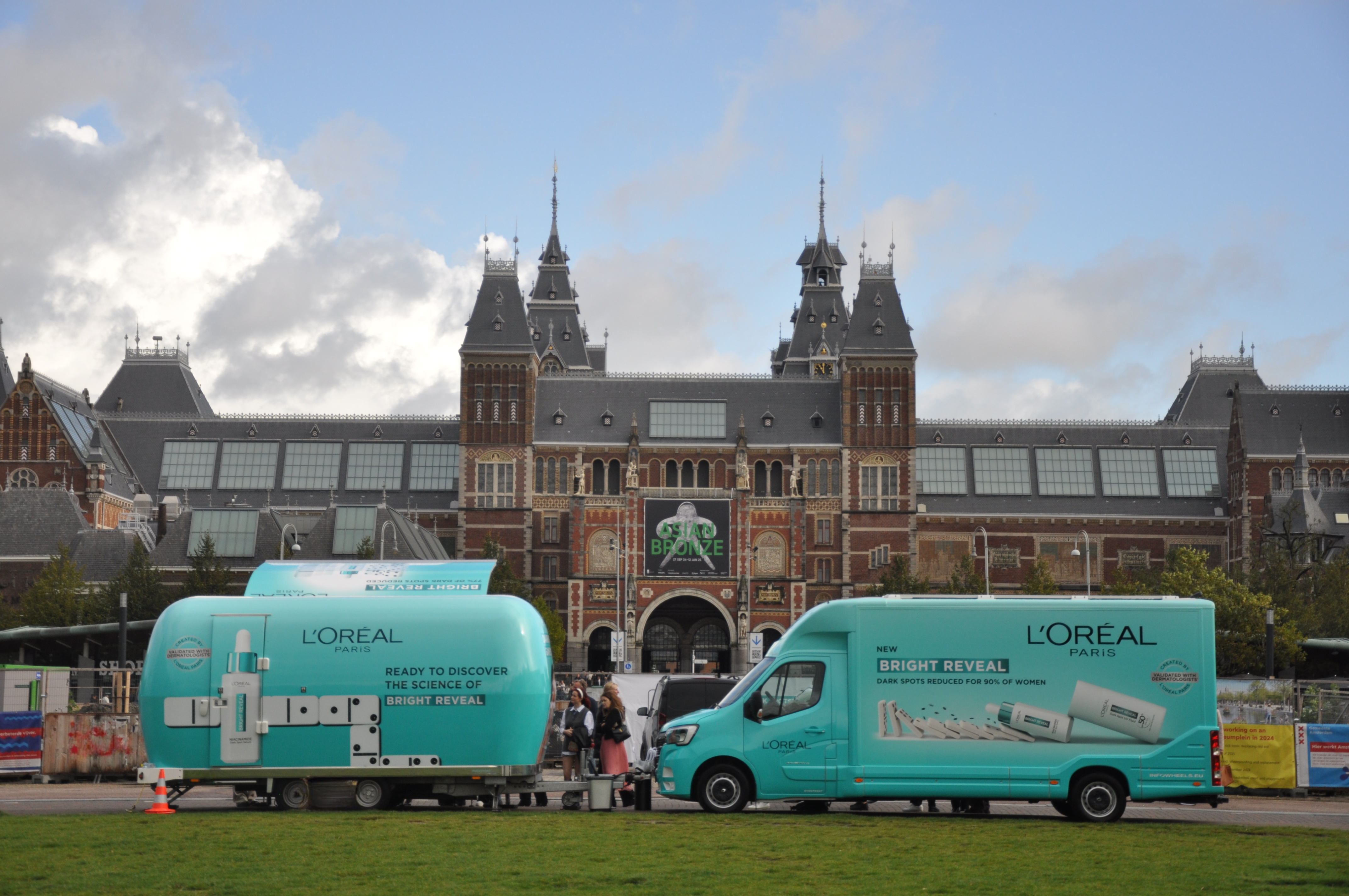
L’Oréal Paris also demonstrates this in practice. They used a physical demo space in our EggStreamer and InfoWheels to let customers experience products. Influencers were then invited to share this experience, amplifying an online campaign. This seamlessly connected the physical activation with digital communication.
A strong omnichannel strategy is therefore not about adding more channels but about creating one recognizable and consistent customer journey.
Why Omnichannel Marketing?
Companies that use omnichannel marketing see, on average, higher customer engagement and revenue growth. The benefits are tangible:
-
Consistent brand identity across all channels
-
Smooth customer journeys with fewer barriers between online and offline
-
Increased loyalty because the customer feels recognized
-
Valuable insights from linked data
-
Better campaign results through personalized communication
Research shows that omnichannel marketing is about more than just visibility. It’s about relevant, integrated communication that enhances the entire customer journey. The power lies in understanding the customer: knowing where they are, their preferences, and how they move between touchpoints.
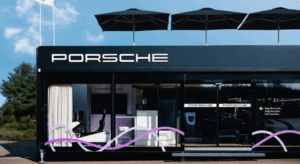
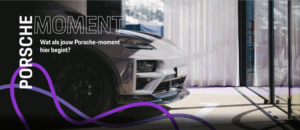
A practical example is Porsche Belgium with their digital campaign, Porsche Moment. For this campaign, each event was announced in advance with social media teasers to excite customers and bring them to the Mobile Showroom. There, visitors could experience the car and even take a test drive. This made a compelling digital campaign directly tangible, connecting online and offline touchpoints.
Key Trends in Omnichannel Marketing
The way brands use omnichannel marketing is evolving rapidly. Consumers move smoothly between channels, expect recognition, and want the same brand experience everywhere. Companies that align their omnichannel marketing strategy accordingly use data and related content to make communication more personal and relevant.
The focus is shifting from mere presence on multiple channels to true integration: one story that brings online and offline together. Clear trends have emerged from this shift:
-
Hyper-personalization: Customers expect communication tailored to their behavior and preferences. Eighty percent of consumers are more likely to buy from brands that offer personalized campaigns. Think emails with relevant products or social ads based on previous interactions.
-
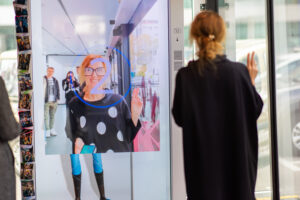
Phygital Experiences: The line between physical and digital is blurring. Stores and brands combine online convenience with offline experience. Roadshows and mobile showrooms also follow this principle, bringing the brand experience directly to the customer.
-
AI and Data-Driven Marketing: Most marketers use AI to optimize omnichannel campaigns. With smart segmentation, predictive analytics, and automated personalization, each customer journey is better aligned with behavior and context.
-
Social Commerce and Voice Shopping: Social media evolves into direct sales channels, while voice-driven searches shorten the orientation phase. Brands that manage their channels in an integrated way maintain oversight and consistency, regardless of the platform.
Omnichannel Marketing and Events
Live events and roadshows are strong links in an omnichannel campaign. They serve as the physical touchpoint that enhances the digital experience. A well-designed stand, showroom, or mobile vehicle immediately translates the brand identity into a tangible experience.
Success lies in cohesion: the invitation via social media, the follow-up by email, and the onsite activation all contribute to one recognizable brand experience. During and after the event, the same message continues, ensuring that customers recognize the brand online and offline.
KPN: A Practical Example of Omnichannel Marketing
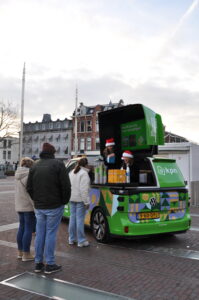
A perfect example of this strategy is KPN with their Attentkalender. For this campaign, KPN used the ID.Buzz Brand Activator to make the digital marketing action tangible. The vehicle was fully branded to match the campaign’s style.
The Attentkalender is a promotion for existing customers, where a virtual window can be opened daily via the KPN app. Behind each window is a surprise, such as gifts, competitions, or special deals. This rewards customer loyalty and increases engagement throughout December.
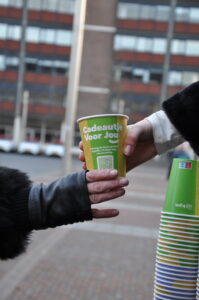
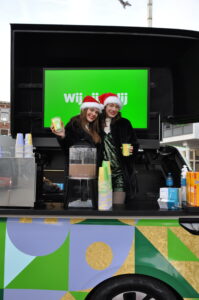
The ID.Buzz Brand Activator travels to various locations, including Haarlem, to meet customers, serve hot chocolate and coffee, and share more about the campaign. This makes the digital experience of the Attentkalender literally tangible for customers. Visitors can explore the vehicle, participate interactively, and experience the brand personally.
And the best part: the campaign has just started, so you can still participate! This illustrates perfectly how an omnichannel strategy works: online and offline touchpoints reinforce each other, providing customers with a consistent, recognizable, and memorable brand experience.
How EventRent Helps with Omnichannel Marketing
EventRent designs and builds mobile showrooms and roadshow vehicles that help brands bring their omnichannel strategy to life. From concept to execution, every detail is aligned with the brand identity.
The Process in Five Steps:
-
Intake: Insight into goals, target audience, and brand story
-
Proposal: Creative and logistical planning
-
Design: Visual translation of brand into experience
-
Launch: Production and on-site execution
-
Support: Maintenance, storage, and further development
This approach creates a phygital experience where customers don’t just see, but feel what the brand stands for. The physical experience is linked to digital campaigns, CRM systems, or social channels, integrating data and customer interaction into one whole.
Check out our showrooms or read our case studies to see how brands use this. Or, if you prefer to act quickly and receive a quote within 24 hours, get in touch.